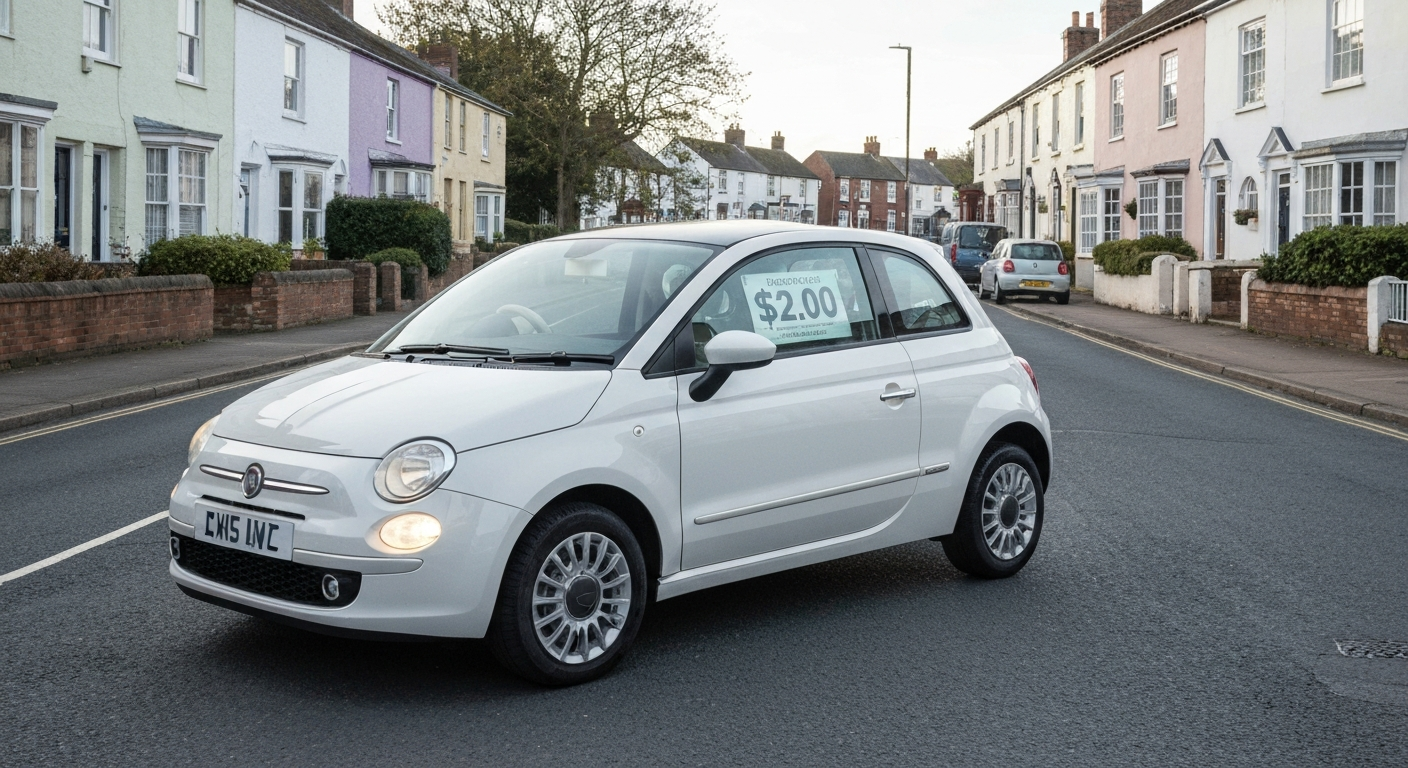
Cheap Cars Under £1000 in the UK: Buyer's Complete Guide
Cheap Cars Under £1000 in the UK: Buyer's Complete Guide
Finding a reliable set of wheels without breaking the bank can feel like an impossible task, especially when your budget is under £1000. In the current economic climate, the demand for affordable transport is higher than ever, and sifting through the options for cheap cars under 1000 UK can be daunting. But fear not, it is absolutely possible to find a hidden gem that will serve you well, provided you approach the search with realistic expectations, a keen eye, and a practical mindset.
This comprehensive guide from BuyAndScrap.com is designed to equip you with all the knowledge you need to navigate the used car market at the budget end. We’ll walk you through where to look, what to look for, what to avoid, and how to ensure you’re making a smart, informed purchase that offers true value.
Why Choose a Car Under £1000?
While a thousand-pound budget might not get you the latest model with all the bells and whistles, it opens up a world of practical motoring for many different needs. Here are some common reasons why buyers specifically target cheap cars under £1000 in the UK:
- First-Time Drivers: It’s an ideal entry point for new drivers. A cheaper car means lower insurance premiums (often the biggest hurdle for new drivers), and any minor bumps or scrapes that come with learning won't be as financially painful.
- A Second Car/Run-Around: For families needing an extra vehicle for school runs, local errands, or a commuter car, a reliable cheap car under £1000 can be perfect. It avoids putting extra mileage or wear and tear on a more expensive primary vehicle.
- Learning to Drive: Many learners prefer to practice in their own car between lessons. A budget vehicle allows for extensive practice without the financial commitment of a new car.
- Strict Budget Constraints: For many, £1000 is simply all they can afford, but reliable transport is a necessity for work, family, or personal freedom.
- Low Depreciation: Cars in this price bracket have already taken their biggest depreciation hit. This means you’re unlikely to lose much money on its value, even if you sell it a year or two later.
- Simple Mechanics, Cheaper Repairs: Older, simpler cars often lack complex electronics, making them easier and cheaper to diagnose and repair if something goes wrong. Parts are also usually more readily available and less expensive.
- Project Car Potential: For the mechanically inclined, a cheap car under £1000 can be a fantastic project to learn, tinker, and upgrade without a huge initial investment.
Setting Realistic Expectations for Cheap Cars Under £1000
Before you even start looking, it’s crucial to understand what you can realistically expect from a car at this price point.
What you won't get:
- Showroom Condition: Expect cosmetic imperfections like scratches, minor dents, faded paint, and interior wear. These are normal and shouldn’t deter you if the mechanics are sound.
- Latest Technology: Forget touchscreens, advanced driver-assist systems, or integrated satellite navigation. You'll be looking at more basic features.
- Extended Warranty: Most private sales or budget dealers won't offer comprehensive warranties, if any. You'll often be buying "as seen."
- Zero Issues: An older, cheaper car is likely to have some quirks or minor issues. The goal is to identify those that are manageable versus those that are deal-breakers.
What you can get:
- Reliable Transport: With careful inspection, you can find a car that starts every time, gets you from A to B safely, and passes its MOT.
- Excellent Value: For the right car, £1000 can provide years of affordable motoring.
- Character: Older cars often have more character and a less sterile driving experience than modern vehicles.
- Peace of Mind (with due diligence): By following the advice in this guide, you can significantly reduce the risk of buying a lemon.
Focus your attention on the mechanical condition and safety aspects above all else. A slightly scruffy exterior is perfectly acceptable if the engine, brakes, and chassis are sound.
The Hunt Begins: Where to Look for Cheap Cars Under £1000 UK
The market for affordable cars is vast, and knowing where to start looking can save you a lot of time and effort.
Online Marketplaces
These are often the first port of call for anyone seeking cheap cars under £1000 UK, offering the widest selection.
- AutoTrader: A national platform, allowing you to filter by price, location, make, and model. Be quick – good deals disappear fast.
- Gumtree: A popular local classifieds site where private sellers often list budget vehicles. You'll find a mix of everything here.
- eBay Motors: Great for finding both private sales and vehicles from smaller dealers. The auction format can sometimes yield bargains, but "Buy It Now" options are also common.
- Facebook Marketplace: Increasingly popular for local sales. Look for specific local car selling groups too. The community aspect can sometimes make communication easier.
- Local Classifieds Websites: Check regional sites or even newspaper classifieds sections for local listings.
Local Dealers & Garages
- Small Independent Garages: Many smaller garages take cheap trade-ins that they then sell on. They might have done basic checks or even minor repairs.
- "Budget Car" Sections: Larger dealerships sometimes have a separate section for their cheapest trade-ins, often priced under £2000, which might include some suitable options.
Car Auctions
- Pros: Potential for genuine bargains, especially if you know what you're doing. You might find cars that need minimal work for a very low price.
- Cons: High risk. You typically can't test drive, and often have only a very brief time to inspect the car before bidding. You'll need to pay immediately if you win, and buyer's premiums can add to the cost. This is generally recommended only for experienced buyers or those taking a mechanic with them.
Private Sales
- Direct from Owner: Often the best source for negotiation and getting a more honest history of the car, as you're speaking directly with someone who has owned and driven it. Be prepared to travel to view.
Word of Mouth
- Don't underestimate the power of friends, family, and local community notice boards. Someone you know might be looking to offload a perfectly good car cheaply.
What if the Car is Beyond Repair? (A Note from BuyAndScrap.com)
While the goal is to find a reliable runner, the reality is that sometimes even the most carefully chosen cheap cars under £1000 eventually reach the end of their life. When that happens, and repairs become uneconomical, BuyAndScrap.com is here to help. We offer competitive quotes for scrap cars, free collection, and ensure environmentally responsible disposal, making the process seamless and hassle-free. Keep us in mind for the future!
What to Look For: Essential Checks Before Buying
This is the most critical part of your journey. Patience and thoroughness here will save you headaches and money later. Always bring a friend or family member for a second opinion, ideally someone with some mechanical knowledge.
1. Paperwork & History
The car’s documentation tells a vital story.
- V5C (Logbook): Ensure the seller is the registered keeper (or has proof they are selling on behalf of the registered keeper). Check the VIN (Vehicle Identification Number) on the V5C matches the one stamped on the car (usually under the bonnet, on the dashboard, or in the door jamb). Look for consistent spelling of names and addresses.
- Service History: A full service history is rare for cheap cars under £1000, but any evidence of regular maintenance (even if incomplete) is a huge bonus. Look for receipts for parts, previous MOT advisories that have been addressed, or stamps in a service book.
- MOT Certificate: Check the current MOT certificate. Go to GOV.UK's MOT history checker and enter the car's registration. This free tool shows all previous MOT results, failures, and advisories. Pay close attention to recurring advisories – these might indicate underlying issues. If the car has a long MOT, great, but remember it's just a snapshot of its condition on that day.
- HPI Check (or similar vehicle history check): This is non-negotiable, even for cheap cars. For a small fee (around £15-£20), an HPI check will tell you if the car is stolen, if it has outstanding finance, if it's been an insurance write-off (and what category), and verify mileage. A car with a "CAT N" or "CAT S" write-off can still be bought, but understand what that means (Non-structural vs. Structural damage) and adjust your offer accordingly. Never buy a car with outstanding finance.
- User Manuals: A small detail, but shows the owner has looked after the car.
2. Exterior Inspection
Walk around the car in daylight.
- Rust: The biggest killer of older cars in the UK. Pay close attention to:
- Wheel arches: Inside and out.
- Sills: The panels under the doors. Push them gently – if they feel soft or crunchy, walk away.
- Boot floor: Lift the carpet in the boot.
- Underneath the car: If possible, peek underneath the car to check for excessive rust on the chassis, suspension components, and brake lines.
- Dents, Scratches, and Paintwork: Minor imperfections are expected. Look for mismatched paint panels which could indicate previous accident repairs. Check panel gaps – wide or inconsistent gaps can also point to poor repair work.
- Tyres: Check tread depth (minimum 1.6mm, but more is better), look for cracks in the sidewalls, and ensure they are evenly worn. All four tyres should ideally be the same brand and pattern, or at least the same on each axle.
- Lights, Mirrors, Wipers: Ensure all lights (headlights, indicators, brake lights, reverse, fog) are working. Check mirrors for damage and wipers for functionality.
3. Interior Inspection
Get inside and scrutinise the cabin.
- Dashboard Warning Lights: When you turn the key to the "on" position (before starting), most warning lights should illuminate and then extinguish shortly after the engine starts. Any persistent lights (e.g., engine management, airbag, ABS) are a red flag.
- Electrics: Test everything: electric windows, central locking, radio, heater/AC (if fitted), interior lights, seat adjustments.
- Seats, Carpets, Trim: Look for excessive wear, tears, stains. Lift the carpets to check for dampness or rust on the floor pan, which could indicate water leaks.
- Smell: Any lingering smells of damp, stale water, or excessive air freshener could be masking an underlying issue. A strong smell of smoke might also be a deal-breaker.
- Pedal Wear: Worn pedal rubbers can indicate high mileage, though some drivers are harder on pedals than others.
- Steering Wheel/Gearstick Wear: Similar to pedals, excessive shine or wear can hint at a harder life or high mileage.
4. Engine Bay Inspection
Pop the bonnet and take a good look (when the engine is cold if possible).
- Fluid Levels: Check oil (golden/brown, not black sludge or milky), coolant (should be clean, not sludgy or rusty brown), brake fluid, and power steering fluid.
- Leaks: Look for any drips or puddles under the car, or fresh oil/fluid stains around the engine bay. A clean engine in an old car can sometimes be suspicious – it might have been recently cleaned to hide leaks.
- Belts and Hoses: Check for cracks, fraying, or bulging on drive belts and coolant hoses.
- Battery Condition: Look for corrosion around the terminals.
- Rust: Check for rust on components like brake servo, suspension turrets.
5. The Test Drive
Never buy a car without a test drive. Drive for at least 15-20 minutes, covering a variety of roads (urban, open road) if possible.
- Starting: Does it start easily, hot or cold? Listen for any grinding or struggling sounds.
- Engine Sounds: Listen for knocking, rattling, whining, or tapping noises. A steady hum is what you want.
- Gearbox: Test all gears. Manual: Does the clutch feel smooth? Is there any slipping? Does the biting point feel natural? Automatic: Do changes feel smooth or are there harsh jerks?
- Brakes: Do they feel firm and responsive? Does the car pull to one side when braking? Is there any juddering or grinding noise?
- Steering: Does it feel tight and responsive, or is there excessive play? Does the car track straight? Does it whine when you turn the wheel at low speeds (power steering issue)?
- Suspension: Go over bumps and speed humps slowly. Listen for clunks, creaks, or excessive bouncing.
- Exhaust Smoke: Look in the rearview mirror when accelerating.
- Blue smoke: Burning oil (can be serious).
- White smoke (thick, persistent): Burning coolant (head gasket or major engine issue).
- Black smoke: Running rich (fuel issue, less serious but needs attention).
- Thin white wispy smoke on a cold start is usually just condensation and normal.
- Heater/AC: Test both to ensure they work.
- Overall Feel: Does the car feel stable and safe to drive?
6. Bringing a Mechanic
For cars in this price range, it's highly recommended to ask a qualified mechanic to inspect the vehicle before purchase. They can spot issues that a layperson might miss. If the seller refuses, that's a major red flag. Mobile mechanics can sometimes come to the car's location for a pre-purchase inspection.
Common Reliable Makes and Models Under £1000 UK
While condition is always king over brand, some models have a reputation for being robust, easy to fix, and plentiful on the second-hand market, making parts cheap and readily available. When looking for cheap cars under 1000 UK, these are good starting points:
- Ford Fiesta / Focus (Mk1, Mk2, early Mk3): Extremely popular, meaning parts are cheap and mechanics know them inside out. Reliable petrol engines. Look out for rust on older models.
- Vauxhall Corsa / Astra (C, D generation Corsas, H generation Astras): Similar to Fords, they are ubiquitous, parts are cheap, and they're generally solid. Check for common electrical gremlins on some models.
- Honda Civic / Jazz (pre-2010): Renowned for their incredible reliability. Often well-maintained by previous owners. Rust can be an issue on older Civics, especially the arches. Jazz offers fantastic practicality.
- Toyota Yaris / Corolla (pre-2010): Legendary Toyota reliability. The Yaris is a great small car, and the Corolla is a dependable family hatch. Tend to be bulletproof if serviced.
- Nissan Micra (K11, K12 generation): Basic but incredibly reliable. Cheap to run and insure. K11s are almost indestructible.
- Renault Clio (Mk2, early Mk3): Can be very good value for money, often offering more features than equivalent Fords/Vauxhalls for the price. Be extra diligent with electrical checks on Renaults.
- Peugeot 206/207: Another common sight, similar to the Clio in terms of value. Parts are plentiful.
- Skoda Fabia / Octavia (Mk1, early Mk2): Benefiting from VW Group engineering, these are often overlooked but offer great reliability and practicality. Fabias are particularly sturdy.
- Suzuki Swift (pre-2010): Robust, fun to drive, and often cheap to insure. A solid choice for a small, reliable car.
Models to approach with caution (or require specific checks):
- Older German Premium Brands (BMW, Mercedes, Audi): While the purchase price might be low, repair costs can be astronomical. Parts and specialist labour are expensive.
- Obscure Models: Parts availability can be a nightmare, and finding mechanics familiar with them can be difficult. Stick to popular models for ease of ownership at this price point.
Running Costs: Beyond the Purchase Price
The purchase price is just one part of car ownership. Factor in these ongoing costs when budgeting for cheap cars under £1000 UK:
- Insurance: Get quotes before you buy. This is crucial, as insurance can often cost more than the car itself, especially for young drivers. Factors include your age, driving experience, location, the car's engine size and insurance group, and any modifications.
- Road Tax (VED): Check the car's registration on GOV.UK to see the annual Vehicle Excise Duty. Older cars (pre-2001) might be cheaper, or very old cars (pre-1960) are often tax-exempt. Newer old cars might be more expensive due to CO2 emissions.
- MOT: An annual cost (currently around £54.85 for a test). However, the real cost comes from any repairs needed to pass. Budget for potential repair bills.
- Servicing & Maintenance: Even a cheap car needs regular oil changes, filter replacements, and general checks. Budget for a basic service every year, plus an allowance for unexpected repairs. Expect some repairs with cars at this price point.
- Fuel: Consider the car's fuel efficiency. A small petrol engine (1.0L to 1.4L) will generally be cheaper to run than a larger engine, or certain older diesels.
- Breakdown Cover: Consider investing in breakdown cover (e.g., AA, RAC, Green Flag) for peace of mind, as older cars are more prone to unexpected breakdowns.
Negotiation & Payment
- Haggling: Always try to negotiate the price down. Most sellers build a small buffer into their asking price.
- Identify Flaws: Use any legitimate flaws you found during your inspection (cosmetic or minor mechanical) as leverage. "I really like the car, but those tyres will need replacing soon, so I'd have to factor that into the cost."
- Be Polite but Firm: Don't be aggressive. A friendly approach often works best.
- Payment Methods: Bank transfer is generally the safest. If paying with cash, do so at a bank or secure location. Avoid carrying large sums of cash. Never transfer money without seeing the car or getting confirmation of identity.
- Receipt: Always get a detailed, signed receipt that includes: seller's name and address, your name, date, vehicle make, model, registration number, VIN, purchase price, and a statement that the car is "sold as seen, without warranty" (common in private sales).
What to Do After Buying Your Cheap Car
Congratulations on your new purchase! Here are your next steps:
- Inform DVLA: The seller should send off the V5C logbook to notify the DVLA of the change of ownership. You will then receive a new V5C in your name.
- Get Insurance: It's illegal to drive the car without valid insurance. Get this sorted immediately.
- Basic Service: If the service history is patchy, consider giving the car a basic service (oil, oil filter, air filter, spark plugs) for peace of mind.
- Familiarise Yourself: Spend some time getting to know your car – its quirks, where everything is, and how it drives.
When to Walk Away
Knowing when to say "no" is just as important as knowing what to look for. Walk away if:
- Missing or Inconsistent Paperwork: No V5C, mismatched VIN, or suspicious MOT history.
- Seller Behaviour: The seller seems evasive, pushes you to buy quickly, or refuses a test drive/inspection by a mechanic.
- Major Mechanical Issues: Significant knocking from the engine, gearbox issues, excessive smoke, or dangerous brake problems during the test drive.
- HPI Flags: Any outstanding finance or a history of being stolen.
- Excessive Rust: Beyond superficial surface rust, especially on structural components.
- Your Gut Feeling: If something just doesn't feel right, trust your instincts. There will always be other cheap cars under £1000 UK.
The BuyAndScrap.com Connection: Planning for the Future
Even the most carefully chosen cheap cars under £1000 in the UK will eventually reach a point where repairs become uneconomical or it's simply time for an upgrade. This is where BuyAndScrap.com comes in. We understand that finding reliable, affordable transport is often just one part of the vehicle lifecycle.
When your trusty budget car has served its purpose, whether it's failed its MOT for the last time, been involved in an accident, or simply become too costly to maintain, we offer a straightforward, reliable solution.
- Competitive Quotes: We provide instant, competitive quotes for your end-of-life vehicle, ensuring you get the best possible value for your scrap car.
- Free Collection: We offer convenient, free collection from your location anywhere in the UK, making the process effortless.
- Environmentally Responsible Disposal: We work with Authorised Treatment Facilities (ATFs) to ensure your vehicle is depolluted and recycled in an environmentally sound manner, adhering to all legal requirements.
- DVLA Notification Handled: We'll take care of all the necessary DVLA paperwork, providing you with a Certificate of Destruction (CoD) for peace of mind, confirming the car is off your hands.
So, while you're diligently searching for your next affordable vehicle, remember that BuyAndScrap.com is your trusted partner for its responsible and profitable disposal when the time comes. We make sure that even the journey of selling your scrap car is as easy and honest as our advice for buying cheap cars under £1000 UK.
Conclusion
Finding a good, cheap car under £1000 in the UK is certainly achievable with the right approach. It requires patience, thorough inspection, and a realistic understanding of what you're buying. By following the steps outlined in this comprehensive guide – from knowing where to look and what reliable models to consider, to meticulously checking paperwork, inspecting the vehicle, and taking a comprehensive test drive – you significantly increase your chances of securing a fantastic deal.
Remember that while the initial purchase price is low, budgeting for ongoing running costs and potential repairs is vital. Armed with this knowledge, you can confidently navigate the market for affordable vehicles and drive away with a car that truly meets your needs, without breaking the bank. Happy motoring!
Related Guides
How to Buy a Cheap Car in the UK: The Complete Guide
How to Buy a Cheap Car in the UK: The Complete Guide - BuyAndScrap.com
Complete GuideScrap Your Car in the UK: Get Honest Value & A Smooth Process
Got an old car in the UK? Learn how to scrap it legally and get honest value. Our guide covers DVLA, ATFs, and top tips for responsible car scrapping UK.
Complete GuideYour Essential UK MOT Guide: Pass Your Car's Annual Check-Up Easily
Get a clear UK MOT guide for your car. Learn what's checked, when it's due, and how to pass first time. Essential tips for every UK driver.
Complete GuideSell Your Car Privately UK: Your Step-by-Step Guide for a Great Price
Want to sell car privately UK? Our simple guide walks you through every step, from prepping your vehicle to secure payment. Get the best price for your car!