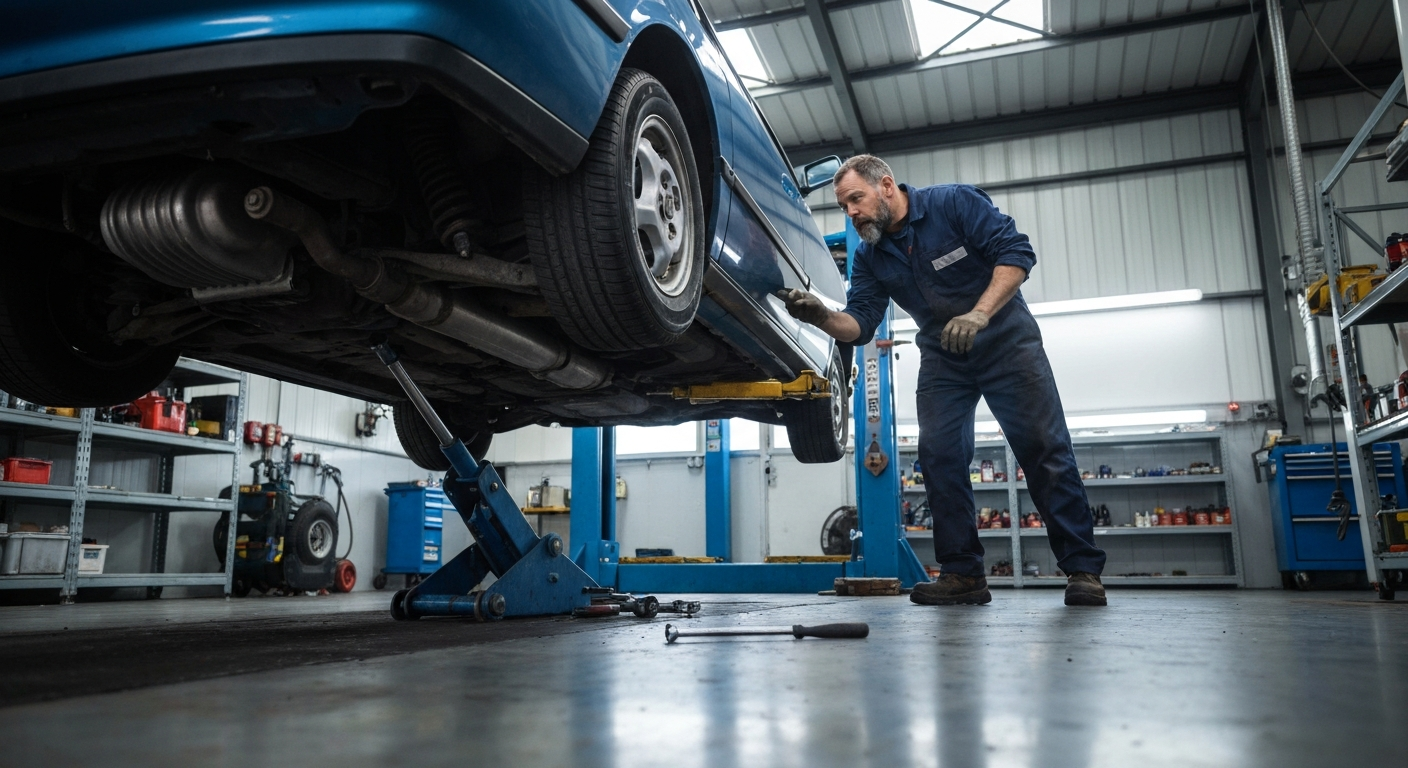
Your Essential UK MOT Guide: Pass Your Car's Annual Check-Up Easily
The MOT is an annual safety check for UK cars over three years old. It ensures your vehicle is roadworthy and meets emissions standards. This UK MOT guide explains why it's crucial, what the test covers, and how to prepare. Passing your MOT is a legal requirement.
What is a UK MOT Test?
The 'MOT' stands for Ministry of Transport. It's an essential annual test for most UK cars over three years old. This check ensures your vehicle meets minimum safety standards. It also confirms your car is roadworthy and not polluting excessively. Think of it as your car's yearly health check.
Driving without a valid MOT is against the law. It can lead to heavy fines and invalidate your car insurance. This test keeps you, your passengers, and other road users safe.
Approved MOT centres carry out these tests. They display a blue logo with three triangles. Trained and authorised examiners perform the detailed checks.
When Does Your Car Need an MOT?
Knowing your MOT due date is important. There are clear rules for when your car needs its first test. After that, it's an annual check-up.
Your First MOT: The 3-Year Rule
Most new cars in the UK don't need an MOT until they are three years old. This date is counted from when the car was first registered. If you bought a brand new car, you have time before its first official check.
Annual Retests
Once your car has passed its first MOT, it needs retesting every 12 months. You can get your MOT done up to a month (minus a day) before the current certificate expires. Your new certificate will then run from the original expiry date. This means you don't lose any time.
Example: If your MOT expires on 15th July 2024, you can get it tested from 16th June 2024. The new certificate will still be valid until 15th July 2025.
Check Your MOT Due Date
Forgotten when your MOT is due? It's easy to check online. You just need your car's registration number. Use our handy Free MOT Checker to find out instantly.
What's Checked During an MOT?
An MOT test is thorough. It covers many parts of your car to ensure it's safe. Examiners follow strict guidelines. They check everything from lights to tyres.
Common areas include:
- Lights: Headlights, brake lights, indicators must all work.
- Tyres: Must have legal tread depth and no damage. This is a common failure point.
- Brakes: Checked for efficiency and condition. Essential for safety.
- Steering & Suspension: Ensure proper control and stability.
- Windscreen & Wipers: Clear view is vital. Wipers must clear the screen effectively.
- Seatbelts: All belts must be present and working correctly.
- Exhaust System: Checked for leaks and emissions.
- Vehicle Structure: Looking for excessive rust or damage.
Remember, the MOT is not a service. It doesn't check the engine's mechanical condition. It only checks roadworthiness.
What Happens if Your Car Fails the MOT?
Nobody wants an MOT failure. But if it happens, don't panic. You'll get a 'Refusal of an MOT Test Certificate' document. This lists all the reasons for failure.
You cannot drive a car that failed with 'dangerous' defects. You must get these fixed immediately. If the defects are 'major', you can usually drive it home to get repairs. However, you risk a fine if the old MOT has expired. It's always best to get repairs done before the old MOT runs out.
Many centres offer a free retest if repairs are done there within 10 working days. Always ask about retest policies when you book.
MOT Advisories: What Do They Mean?
Sometimes your car passes its MOT but gets 'advisories'. These aren't failures. An advisory means a component is deteriorating. It's not yet serious enough for a fail.
Think of advisories as a warning. They highlight things that will need attention soon. For example, 'tyres close to legal limit' is a common advisory. It means they are safe for now, but will need replacing. Ignoring advisories can lead to a failure next year. Or worse, a breakdown. It's wise to get advisory items checked by a mechanic.
Driving Without a Valid MOT: The Risks
Driving a car without a valid MOT is illegal. There are very few exceptions, like driving to a pre-booked MOT test. The consequences can be serious.
You could face a fine of up to £1,000. Your car insurance might also be invalid. This means you wouldn't be covered in an accident. Always make sure your MOT is up to date. Don't risk it.
If you're looking for an honest, affordable car, check out our Browse Cars section. All listed cars should come with a valid MOT, or it will be clearly stated if not.
UK MOT Guide: Frequently Asked Questions
Here are some common questions about the MOT test in the UK.
Can I drive my car if its MOT has expired?
No, generally not. You can only drive it to a pre-booked MOT appointment. You must have valid insurance for this journey. Driving an un-MOT'd car carries serious risks.
What's the difference between an MOT and a service?
An MOT checks safety and roadworthiness. A service is a detailed maintenance check. It looks at engine health, fluid levels, and overall performance. A service helps keep your car running well. An MOT is a legal safety check.
What should I do to prepare my car for an MOT?
Check your lights, wipers, and tyre pressure. Make sure your screenwash is topped up. Clear any clutter from the boot and cabin. A little preparation can save you time and money. For more advice, see our other guides.
Can I sell a car without an MOT?
Yes, you can sell a car without an MOT in the UK. However, it usually lowers the car's value. The buyer must arrange for the car to be transported or driven to an MOT test. They must have a pre-booked appointment. If you're looking to sell your car, consider getting an MOT first.
Ready to ensure your car is safe and legal? Use our free tool today.
Related Guides
How to Buy a Cheap Car in the UK: The Complete Guide
How to Buy a Cheap Car in the UK: The Complete Guide - BuyAndScrap.com
Complete GuideScrap Your Car in the UK: Get Honest Value & A Smooth Process
Got an old car in the UK? Learn how to scrap it legally and get honest value. Our guide covers DVLA, ATFs, and top tips for responsible car scrapping UK.
Complete GuideCheap Cars Under £1000 in the UK: Buyer's Complete Guide
Cheap Cars Under £1000 in the UK: Buyer's Complete Guide - BuyAndScrap.com
Complete GuideSell Your Car Privately UK: Your Step-by-Step Guide for a Great Price
Want to sell car privately UK? Our simple guide walks you through every step, from prepping your vehicle to secure payment. Get the best price for your car!